Europe's Truck Driver Shortage: Pay, Licences, and How to Get In
How big is the shortage?
According to a report by the International Road Union (IRU), the shortage of HGV, bus and coach drivers in Europe is accelerating rapidly. Without effective action, the rate of unfilled HGV driver positions could reach over 60% by 2026, and the gap for bus and coach drivers could grow to almost 50% by the same year.
The consequences of inaction are significant. Europe could lack over 2 million drivers by 2026, with a direct impact on half of all freight movements and millions of passenger journeys. Trucks currently carry 75% of Europe's freight by volume, including 85% of perishable, high-value and medical goods.
Why aren't more people becoming drivers?
The IRU report - covering 6 countries for road freight and 4 countries for passenger transport (representing 28% of the passenger transport sector) - identifies two main barriers: access and attractiveness.
On access, the minimum qualification age for HGV drivers remains 21 in 5 EU countries. For bus and coach roles, the minimum runs between 21 and 24 across most of the EU. These thresholds effectively shut out school leavers who might otherwise enter the profession early.
Training costs add another layer. In France, a truck licence costs EUR 5,300 - more than 3 times the average minimum monthly salary. In Germany, a bus and coach licence costs EUR 9,000 on average, which the report describes as over 4 times the minimum monthly wage.
Despite these barriers, young people currently make up only 6% of freight drivers and 5% of passenger transport drivers.
What do drivers earn?
The IRU report notes that driver salaries can reach up to 5 times higher than average minimum wages. That premium is real, but it has not been enough to offset the upfront cost and age barriers that prevent candidates from qualifying in the first place.
Safety and the underrepresentation of women
Women remain a small share of the driver workforce. In Spain, the report records a 14% female unemployment rate alongside a 2% share of female truck drivers - one of the lowest in Europe. Female bus and coach drivers in Spain reach 12%, a notably different picture within the same country.
The report points to safety as a key factor. Among truck drivers, 95% named safety as their top priority, with 94% of transport companies agreeing. Yet only 3% of existing EU truck parking places are currently certified as secure.
What is changing - and what it means for newcomers
The IRU report outlines 20 solutions being implemented by road transport associations, companies and shippers. Among the most practical for newcomers:
- Lowering the minimum driving age to 18, with training starting from 17
- Subsidising licence and training costs for new entrants
- Expanding safe and secure parking infrastructure
If adopted widely, these measures would shorten the path into the profession considerably. A candidate starting training at 17 and qualifying at 18 faces a very different timeline from the current 21-year minimum that applies in 5 EU countries.
The demand for drivers is documented, the pay premium is stated clearly in the IRU data, and the policy direction is moving toward removing the cost and age barriers that have kept entry numbers low. For job seekers considering a long-term career in transport, the timing is worth noting.
Diesen Artikel teilen
Heutige Stellen in Ihrem Bereich ansehen
KI-gestützt
Professionelles Anschreiben mit KI
Wählen Sie eine Stelle aus Ihren Treffern und erhalten Sie in wenigen Minuten ein passendes Anschreiben. Das erste ist kostenlos.
Anschreiben erstellenÄhnliche Artikel
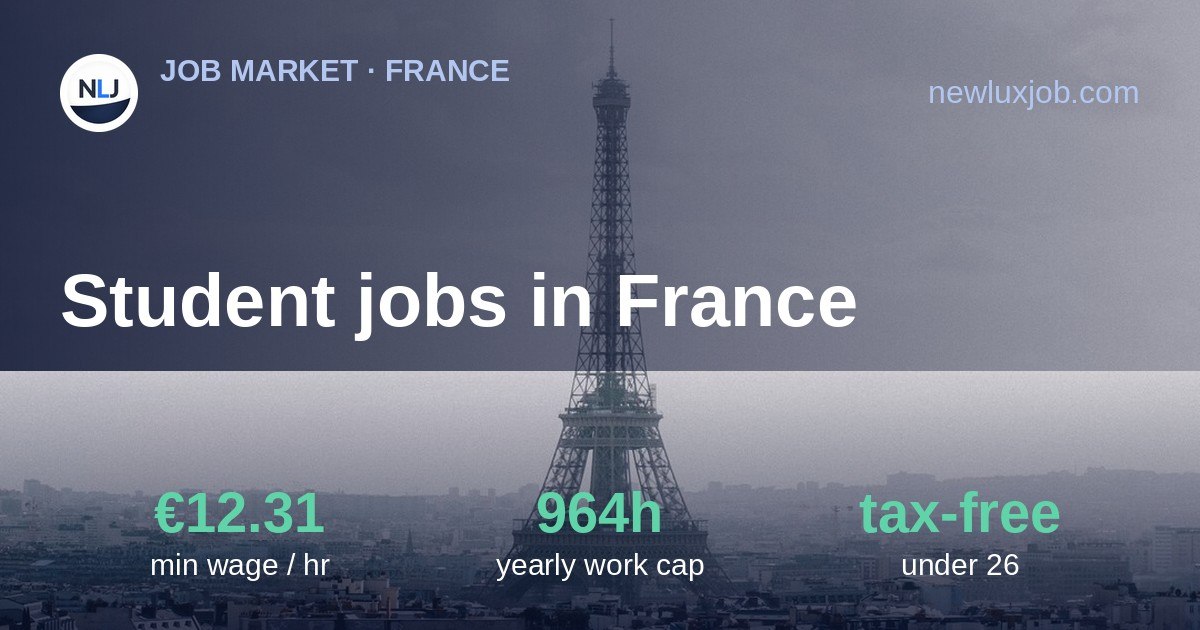
Student jobs in France: hours, pay, and how to find one in 2026
Working while studying in France, explained: the 964-hour rule, what you earn on the minimum wage, the contracts to look for, and where to find openings now.

Which jobs are open in Ireland, 15 October 2026
15 sections, 4 687 open jobs, counted on 15 October 2026. Every link goes to the page the number came from.