Топ-10 востребованных навыков в Люксембурге на 2026 год

Люксембург — это высокооплачиваемая экономика с высокими требованиями к квалификации, сосредоточенная в сфере финансов, технологий и институтов ЕС. В 2026 году работодатели ведут острую конкуренцию за довольно узкий набор компетенций. Сигналы вполне конкретны: национальное агентство занятости ADEM публикует официальный список дефицитных профессий, CSSF продолжает ужесточать требования в области IT и управления рисками, создавая тем самым целые новые категории должностей, а данные о зарплатах показывают, куда реально идут деньги. Ниже представлены десять навыков, которые в этом году выводят резюме на вершину стопки — сгруппированные по категориям: технические, регуляторные, личностные и языковые, — с реальными цифрами.
Сначала — что говорят официальные данные
Всё определяют два факта. Первый: список дефицитных профессий ADEM на 2026 год содержит ровно 20 позиций (против 22 в 2025 году) в сферах финансов/права, IT, здравоохранения, строительства/промышленности и НИОКР. Для этих должностей тест рынка труда не требуется — то есть работодателю не нужно доказывать отсутствие местных кандидатов, — а сертификат на привлечение иностранной рабочей силы, как правило, выдаётся в течение пяти рабочих дней. Если ваш навык соответствует этому списку, вас нанять проще и быстрее — особенно если вы приезжаете из-за пределов ЕС.
Второй факт: для высококвалифицированных специалистов из стран, не входящих в ЕС, пороговый уровень зарплаты для EU Blue Card вырос до EUR 65 652 в год, вступив в силу 3 марта 2026 года (ранее — EUR 63 408). Обратите внимание: с 2024 года Люксембург больше не применяет пониженный порог Blue Card для дефицитных профессий. Для понимания общего контекста рынка: с 1 июня 2026 года минимальная валовая заработная плата составляет EUR 2 771,33 в месяц для неквалифицированного труда и EUR 3 325,59 — для квалифицированного. Разрыв между этим минимумом и приведёнными ниже зарплатами наглядно показывает, почему специализированные навыки так хорошо окупаются.
Технические навыки (где спрос носит структурный характер)
1. Разработка программного обеспечения
«IT-специальности и разработка программного обеспечения» напрямую включены в список дефицитных профессий на 2026 год. Full-stack, backend-разработка (Java, Python, .NET) и cloud-native-разработка по-прежнему остаются основой спроса в банках, администраторах фондов, платёжных компаниях и в рамках проектов цифровизации государственного сектора. По данным зарплатных исследований за 2026 год, средний доход инженера-программиста составляет около EUR 115 000–120 000 брутто, начальный уровень — около EUR 81 000, старшие специалисты — около EUR 131 000.
2. Инженерия данных, аналитика и ИИ
Работа с данными — самое высокооплачиваемое техническое направление в стране. По данным 2026 года, средний доход дата-инженера составляет около EUR 123 000–125 000 брутто. Особо востребованные навыки: построение надёжных пайплайнов данных, SQL в связке с облачной платформой для работы с данными, а также — всё в большей степени — умение ответственно внедрять модели машинного обучения и генеративного ИИ в производственную среду. Важно учитывать: работодатели в сфере финансов хотят, чтобы ИИ применялся в рамках контролируемого и проверяемого процесса, а не как «чёрный ящик», поэтому знание MLOps и управления моделями — реальное конкурентное преимущество.
3. Кибербезопасность и управление ICT-рисками
Это бум, обусловленный регуляторными требованиями. Закон ЕС о цифровой операционной устойчивости (DORA), вступивший в силу 17 января 2025 года, обязывает каждую поднадзорную финансовую организацию выстроить серьёзную программу в области ICT и безопасности, а CSSF сформировала вокруг него полноценную систему отчётности по ICT- и киберрискам (включая обязательное уведомление о крупных инцидентах). «Администрирование IT-систем» и «техническая экспертиза и поддержка информационных систем» — обе позиции включены в список дефицитных профессий. Практические востребованные компетенции: оценка ICT-рисков, реагирование на инциденты, архитектура безопасности, управление идентификацией и доступом, а также умение переводить технические риски в формат отчётности для совета директоров.
Регуляторные и финансовые навыки (специализация Люксембурга)
4. Комплаенс, AML и KYC
Как крупный центр фондовой и банковской деятельности, Люксембург испытывает практически постоянный спрос на экспертизу в области противодействия отмыванию денег (AML) и идентификации клиентов (KYC). В список дефицитных профессий явно включены «анализ кредитных и банковских рисков», «финансовый анализ и инжиниринг», а также «бухгалтерский учёт, финансовый аудит и контроль». Уровень оплаты зависит от опыта: специалист по комплаенсу общего профиля зарабатывает в среднем около EUR 60 000–64 000, специалист по AML-комплаенсу — около EUR 70 000, тогда как Responsable du Contrôle (RC) или сотрудник по противодействию отмыванию денег (MLRO) обычно получает от EUR 95 000 до EUR 150 000.
5. Устойчивые финансы и ESG
Регуляторные требования ЕС в области раскрытия информации (SFDR, Таксономия ЕС и CSRD) превратили устойчивое развитие из приятного дополнения в полноценную комплаенс-функцию. И даже несмотря на то, что пакет «Omnibus» 2025–2026 годов упрощает требования к отчётности, базовый спрос на ESG-продукты остаётся устойчивым. Растёт найм ESG-аналитиков, специалистов по отчётности в области устойчивого развития и людей, способных соотносить фондовые продукты с регуляторными категориями. Эта специализация органично сочетается с финансовым или аудиторским бэкграундом и является одной из наиболее быстро растущих ниш в Великом Герцогстве.
6. Администрирование фондов, аудит и бухгалтерский учёт
Индустрия инвестиционных фондов лежит в основе всего финансового центра, поэтому фондовый учёт, расчёт NAV, депозитарный контроль и финансовый аудит стабильно востребованы — всё это отражено в списке дефицитных профессий на 2026 год. Именно признанная квалификация (ACCA, люксембургский трек expert-comptable или эквивалентный опыт) открывает доступ к более высоким зарплатным диапазонам.
Личностные навыки, которые проверяют работодатели
7. Межкультурное взаимодействие и адаптивность
Около половины рабочей силы Люксембурга — трансграничные работники-коммьютеры (около 47%), значительную долю составляют экспаты, поэтому команды по умолчанию многонациональны. Умение работать в межкультурной среде, чётко общаться с носителями других языков и адаптироваться к переменам рекрутеры неизменно называют одним из главных критериев найма — а не просто приятным дополнением.
8. Регуляторная и аналитическая строгость
Поскольку значительная часть работы находится под надзором CSSF, работодатели ценят людей, которые методичны, документируют свои рассуждения и способны выдержать аудит. Внимание к деталям и структурированное решение задач на собеседованиях проявляются столь же весомо, как и чисто технические способности.
Языки: по-прежнему решающий фильтр
Люксембург официально является трёхъязычным государством (люксембургский, французский и немецкий), и языковая стратегия может как открыть, так и закрыть путь к должности.
| Язык | Где наиболее важен в 2026 году |
|---|---|
| Английский | Финансы, технологии и международные должности; фигурирует примерно в 88,6% международных объявлений на Jobs.lu |
| Французский | Доминирующий язык повседневного делового общения и язык законодательства; практически обязателен для клиентоориентированных ролей, розничной торговли, гостиничного бизнеса и большинства локальных позиций |
| Немецкий | Ремёсла, торговля и компании немецкого происхождения; полезен в некоторых бэк-офисных банковских функциях |
| Люксембургский | Государственное управление, здравоохранение и социальная работа; нередко обязателен для должностей на государственной службе |
9. Французский язык
Только английского достаточно, чтобы получить международную должность в сфере финансов или IT, однако именно французский открывает доступ к более широкому рынку и большинству клиентоориентированных ролей. Для многих кандидатов это единственный навык, добавление которого даёт наибольший эффект.
10. Второй официальный язык
Широко рекомендуемый базовый уровень — владение как минимум двумя языками, один из которых должен быть административным (люксембургский, французский или немецкий). Люксембургский язык в особенности является пропуском в государственный сектор, здравоохранение и социальную сферу, где английский не является заменой.
Как действовать в 2026 году
- Сопоставьте свой профиль со списком ADEM — если ваша целевая должность входит в число 20 дефицитных профессий, укажите это явно: это ускоряет найм и упрощает получение разрешений.
- Добавьте регуляторный слой к техническому фундаменту — разработчик со знанием DORA/ICT-рисков или аналитик с опытом в AML/ESG ценится выше, чем каждый из них по отдельности.
- Укажите уровень французского — пропишите уровень по шкале CEFR (B2/C1); формулировка «базовые знания французского» воспринимается как отказ.
- Ориентируйтесь на рыночные зарплаты — используйте приведённые выше диапазоны, чтобы не продешевить и не запросить слишком много; для старших позиций проверьте, превышает ли предложение порог EUR 65 652 для Blue Card, если вам нужен спонсор.
Хотите найти вакансии, которые реально соответствуют этим востребованным навыкам в Люксембурге, с фильтрацией под 2026 год? ИИ NewLuxJob сканирует открытые позиции по всему Великому Герцогству и подбирает их под ваш профиль и языки. Начните бесплатно в Telegram: https://t.me/NewLuxJob_bot.
Поделиться статьёй
База знаний
Попробуйте ИИ-коуча NewLuxJob
Получайте персональную карьерную ИИ-сводку в личном кабинете NewLuxJob
Начать бесплатноПохожие статьи
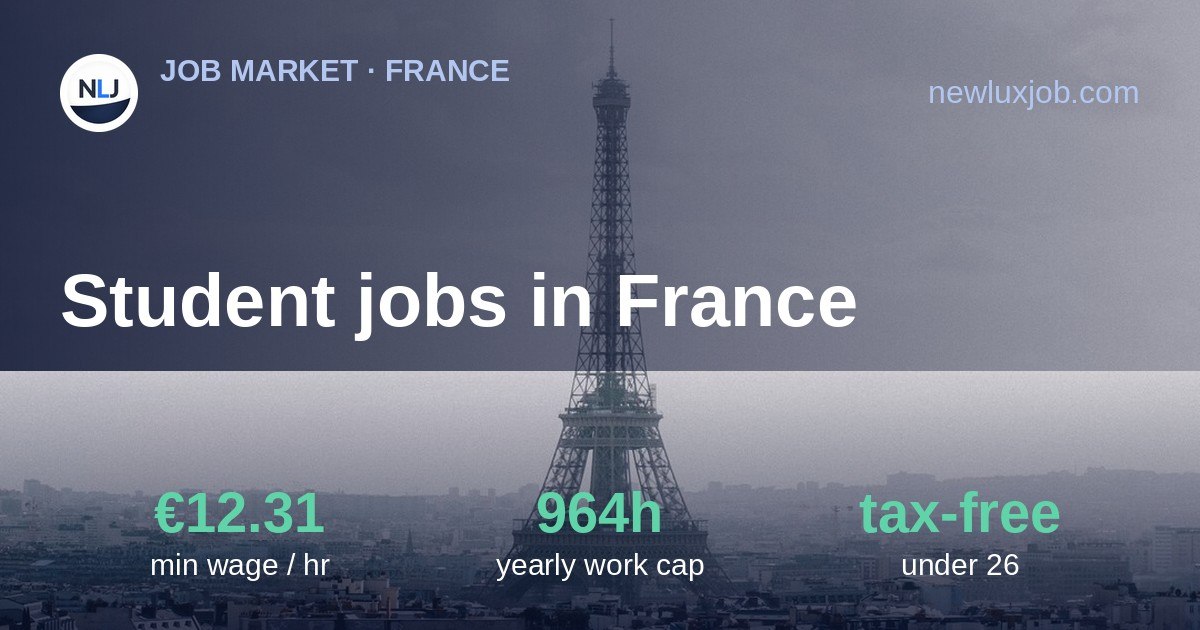
Student jobs in France: hours, pay, and how to find one in 2026
Working while studying in France, explained: the 964-hour rule, what you earn on the minimum wage, the contracts to look for, and where to find openings now.
Where the open jobs are in Spain, 21 September 2026
9 sections, 5 633 open jobs, counted on 21 September 2026. Every link goes to the page the number came from.