Praca zdalna w Niemczech: kto zatrudnia, ile płaci i jak ją znaleźć w 2026 roku
Co oznacza praca zdalna w Niemczech
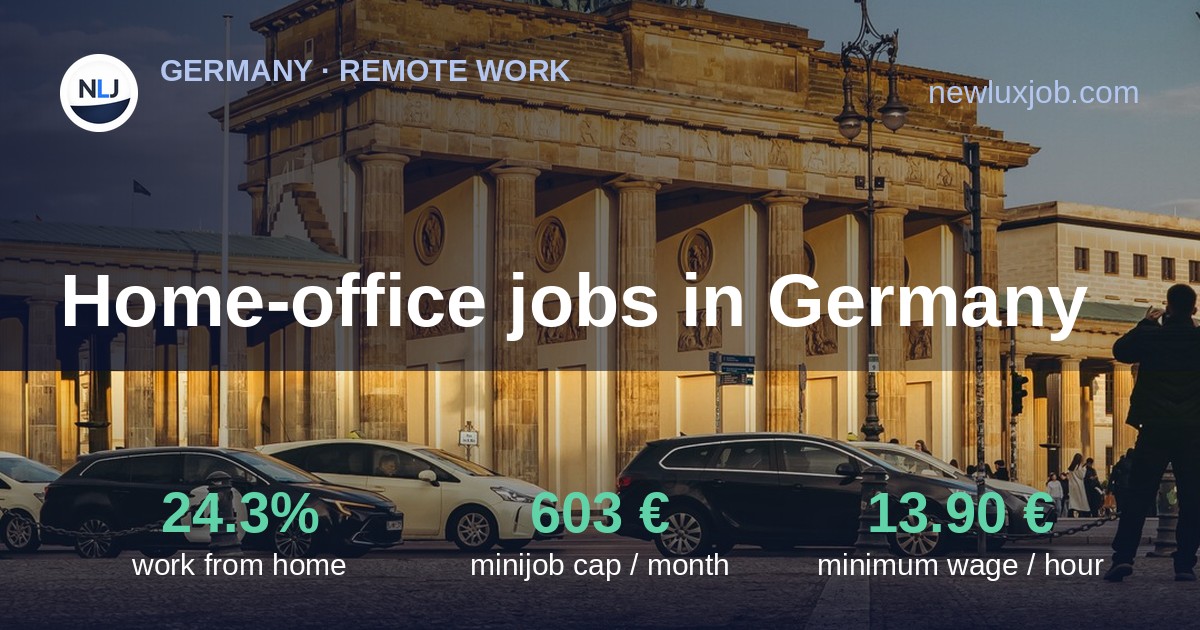
Praca z domu jest dziś normalną częścią niemieckiego rynku pracy, a nie wyjątkiem. W lutym 2026 roku instytut ifo stwierdził, że 24,3 procent wszystkich pracowników pracowało przynajmniej częściowo z domu, a udział ten utrzymuje się na poziomie około jednej czwartej od 2022 roku. Mimo głośnych apeli o powrót do biur, ifo nie widzi szerokiego odwrotu od tego modelu.
Jedna rzecz zaskakuje osoby, które przyjeżdżają do pracy w Niemczech: wciąż nie istnieje ogólne prawo do pracy zdalnej. Możesz pracować z domu, jeśli zgodzi się na to pracodawca albo jeśli taką możliwość przewiduje układ zbiorowy lub porozumienie zakładowe. W innym wypadku decyduje pracodawca.
W ogłoszeniach o pracę pojawiają się dwa różne terminy i różnica między nimi nie jest kosmetyczna:
- Telearbeit to stałe, odpowiednio wyposażone stanowisko komputerowe w domu. Pracodawca musi je zorganizować i opłacić.
- Mobiles Arbeiten to praca z dowolnego miejsca: od stołu w kuchni, z pociągu, z biura klienta. Jest znacznie bardziej elastyczna i częściej spotykana w ogłoszeniach, ale pracodawca jest winien wam dużo mniej sprzętu.
Gdy w ogłoszeniu pojawia się słowo "homeoffice", zwykle oznacza to pracę mobilną, często dwa lub trzy dni w tygodniu, a nie pięć.
Które branże naprawdę szukają pracowników zdalnych
Szczera odpowiedź brzmi, że praca zdalna jest skoncentrowana w kilku sektorach, a nie powszechna. Dane ifo z początku 2026 roku wyraźnie dzielą się według branż:
- Firmy świadczące usługi IT: 76,4 procent pracowników pracuje przynajmniej częściowo z domu, najwyższy udział w całym kraju
- Firmy konsultingowe: 67,6 procent
- Usługi ogółem: 34,9 procent
- Przemysł: 15,4 procent, w tym branża motoryzacyjna 24,2 procent
- Handel detaliczny: 12,6 procent
- Budownictwo: 4,5 procent
Jeśli więc szukasz pracy zdalnej, w praktyce szukasz pracy biurowej w IT, konsultingu, finansach, ubezpieczeniach albo innej branży usługowej.
Sektor zdrowia zasługuje na osobną wzmiankę, bo "homeoffice jobs Gesundheitswesen" to jedna z najczęściej wyszukiwanych fraz w tym obszarze. Samej opieki nad pacjentem nie da się wykonywać z kanapy, ale biurowe stanowiska w tym sektorze już tak: konsultacje telemedyczne, kodowanie i rozliczanie świadczeń medycznych, obsługa spraw w kasach chorych, dokumentacja kliniczna i linie wsparcia dla pacjentów. To właśnie tych ogłoszeń warto szukać.
Zarobki, godziny pracy i homeoffice minijob w Niemczech
Niemcy podniosły ustawową płacę minimalną od 1 stycznia 2026 roku do 13,90 euro brutto za godzinę, z 12,82 euro wcześniej. Kolejna podwyżka, do 14,60 euro, jest zaplanowana na 2027 rok. Przy stawce z 2026 roku pełnoetatowa praca za płacę minimalną daje około 2 343 euro brutto miesięcznie.
Ta sama liczba wyznacza też nowy limit minijobu, czyli punktu startowego, którego wiele osób szuka jako "homeoffice minijob" albo "minijob remote". Limit minijobu jest powiązany z płacą minimalną, więc wzrósł razem z nią:
- Limit zarobków na 2026 rok wynosi 603 euro miesięcznie, w porównaniu do 556 euro w 2025 roku, co daje 7 236 euro w skali całego roku.
- Przy płacy minimalnej daje to około 43 godzin miesięcznie, czyli z grubsza dziesięć godzin tygodniowo.
- Limit można przekroczyć maksymalnie w dwóch miesiącach w roku, i tylko do jego podwójnej wysokości, czyli do 1 206 euro.
Minijob zwalnia z podatku dochodowego i większości składek na ubezpieczenia społeczne, dlatego sprawdza się u studentów, rodziców i każdego, kto chce dorobić do głównego dochodu. Haczyk jest taki, że zdalne minijoby są bardzo konkurencyjne: role, które się do tego nadają (wprowadzanie danych, obsługa klienta, transkrypcja, social media, telesprzedaż) przyciągają mnóstwo kandydatów, więc trzeba aplikować szybko i często.
Przy pełnych stanowiskach wynagrodzenie zależy od branży, a nie od lokalizacji. Zdalny programista albo analityk danych w Niemczech zarabia według tej samej skali co osoba pracująca na miejscu, a dni pracy z domu są dodatkiem, a nie powodem do niższej pensji.
Jak znaleźć pracę w Niemczech i wysłać aplikację
Zacznij od aktualnych katalogów ofert i filtruj według miasta, typu umowy i liczby godzin:
- Praca zdalna w Niemczech to najszybsza droga, bo każde ogłoszenie tam jest już oznaczone jako zdalne lub przyjazne pracy z domu
- Praca w Niemczech to pełny katalog, aktualizowany codziennie, gdy chcesz zobaczyć wszystko i samodzielnie filtrować
- Praca dla programistów w Niemczech i praca dla analityków danych w Niemczech to miejsca, gdzie udział pracy zdalnej jest najwyższy
- Praca dla inżynierów w Niemczech obejmuje stanowiska techniczne, które coraz częściej działają hybrydowo
- Praca w sprzedaży w Niemczech obejmuje też sprzedaż telefoniczną i wewnętrzną, która często jest w pełni zdalna
Dwa zwyczaje wyszukiwania naprawdę się opłacają. Szukaj niemieckich słów, nie tylko polskich czy angielskich, bo wiele ogłoszeń używa słowa "Homeoffice" albo "mobiles Arbeiten" i nigdy nie pisze "remote". I czytaj ogłoszenie pod kątem liczby dni: "Homeoffice möglich" może znaczyć wszystko, od jednego dnia w miesiącu do pracy w pełni zdalnej, i warto o to zapytać już na pierwszej rozmowie kwalifikacyjnej.
Twoje prawa i pieniądze, które możesz odzyskać
- Nie istnieje ustawowe prawo do pracy z domu, więc zapisz taki warunek w umowie albo w porozumieniu zakładowym. Ustna obietnica menedżera może zostać wycofana.
- Przepisy o czasie pracy nie zmieniają się w domu. Obowiązują te same dzienne limity, przerwy na odpoczynek i zasady nadgodzin, a godziny pracy wciąż muszą być rejestrowane.
- Jeśli twoje stanowisko jest ustalone jako Telearbeit, za wyposażenie miejsca pracy odpowiada pracodawca. Przy mobiles Arbeiten nie ma takiego obowiązku, więc zapytaj, kto płaci za biurko, krzesło i monitor, zanim podpiszesz umowę.
- W rocznym rozliczeniu podatkowym można odliczyć Homeoffice-Pauschale: 6 euro za każdy dzień, w którym pracowałeś głównie z domu, maksymalnie za 210 dni, co daje najwyżej 1 260 euro rocznie. Nie potrzebujesz osobnego pokoju do pracy, stół w kuchni też się liczy. Od 2026 roku urzędy skarbowe sprawdzają te dni dokładniej, więc warto prowadzić prosty kalendarz albo arkusz z dniami pracy z domu.
- Nie zakładaj, że taki układ jest trwały. Badanie WSI z marca 2026 roku wykazało, że ponad jedna trzecia pracowników na stanowiskach nadających się do pracy zdalnej usłyszała, że musi częściej przychodzić do biura. Zapisanie warunków na piśmie to w tej sytuacji najważniejsza sprawa.
Udostępnij ten artykuł
Sprawdź dzisiejsze oferty pracy w swojej branży
Napędzane przez AI
Profesjonalny list motywacyjny z pomocą AI
Wybierz ofertę ze swoich dopasowań i w kilka minut otrzymaj list napisany pod nią. Pierwszy jest za darmo.
Napisz mój listPowiązane artykuły
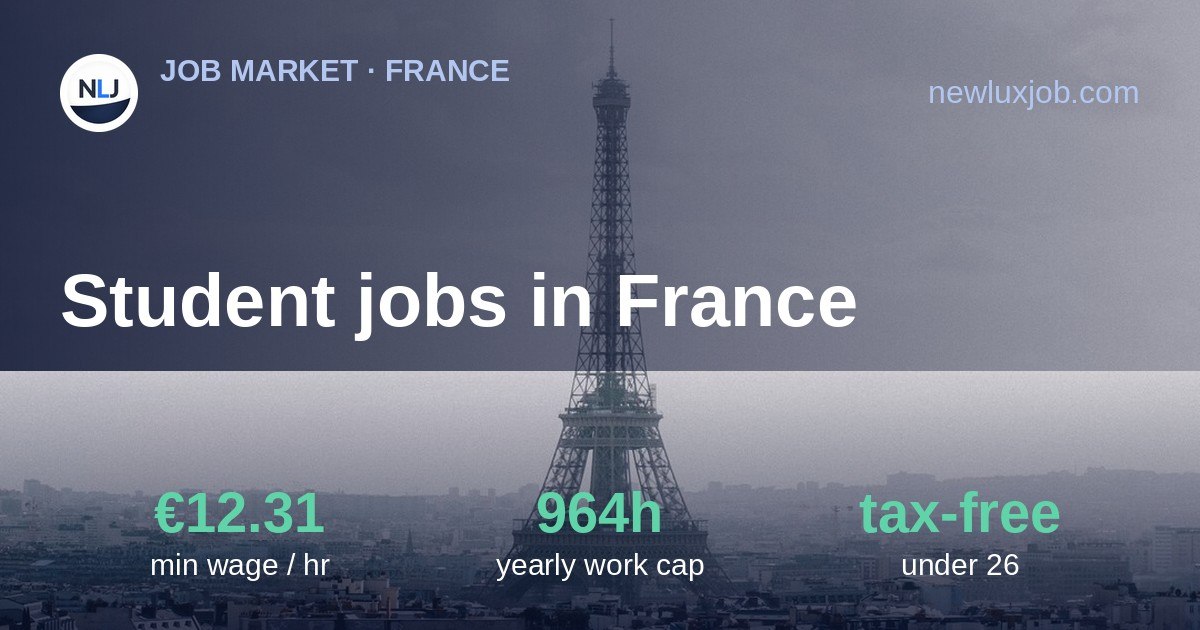
Student jobs in France: hours, pay, and how to find one in 2026
Working while studying in France, explained: the 964-hour rule, what you earn on the minimum wage, the contracts to look for, and where to find openings now.
Which jobs are open in Ireland, 15 October 2026
15 sections, 4 687 open jobs, counted on 15 October 2026. Every link goes to the page the number came from.